
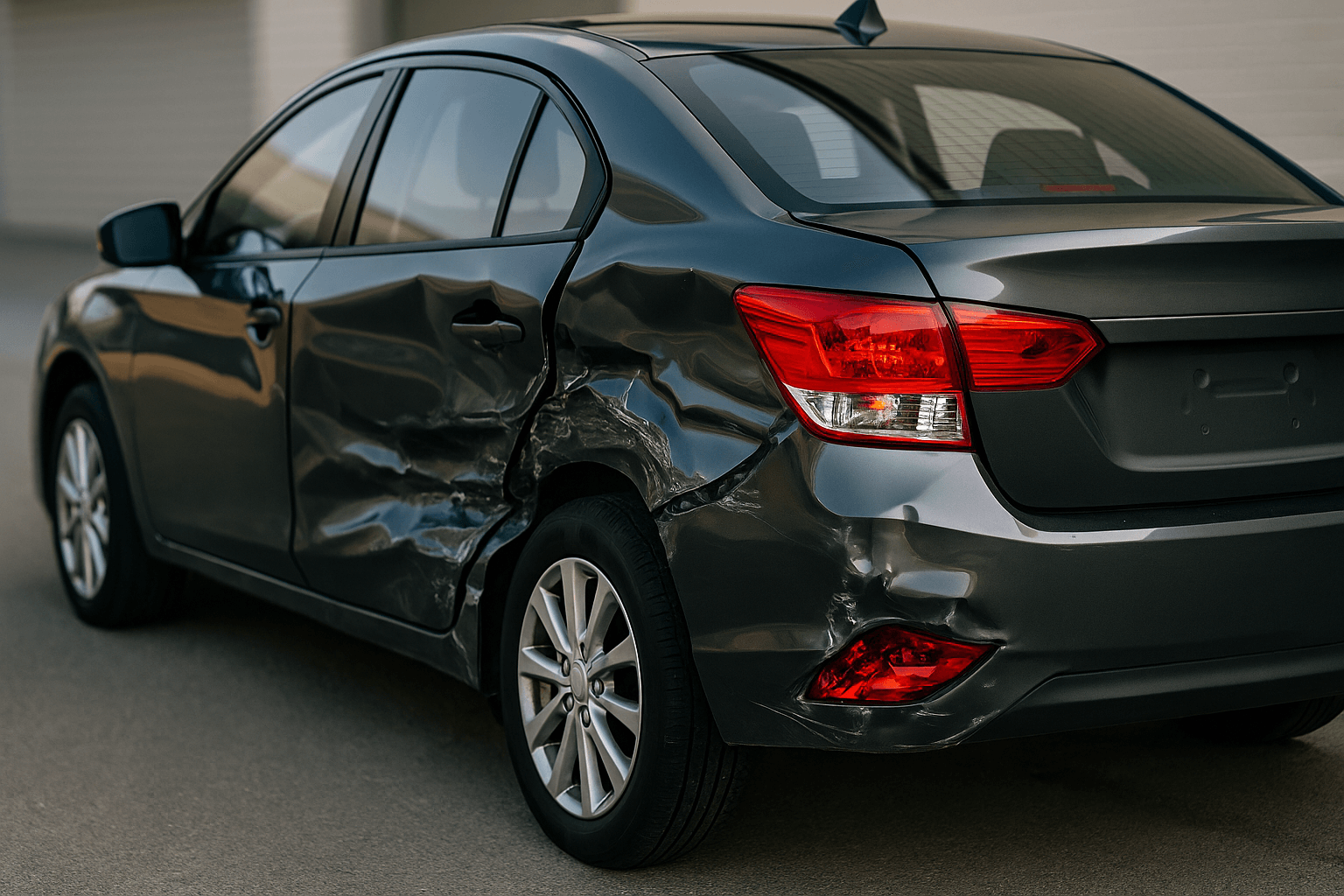
💥 How Much Does an Accident History Affect Your Car’s Value?
“Since my car’s been in an accident, it probably won’t sell for much…”
If you’ve had similar thoughts, you’re not alone. When it comes to selling or trading in a vehicle, accident history is one of the most important factors influencing its value.
But how much does it really affect your car’s worth? And is there still hope of getting a fair price?
Let’s break it down — simply and clearly.
🚧 What Does “Accident History” Actually Mean?
In the used car market, “accident history” (or “damage history”) doesn’t mean every little scratch or dent.
It typically refers to structural damage, especially if the car’s frame or chassis components were repaired or replaced.
Examples that are usually considered “accident history” include:
- Frame, side member, or pillar damage/repair
- Welds or replacements of structural parts
- Official documentation noting accident-related repairs
Minor issues like bumper replacements or small dents that don’t affect the car’s structure generally don’t count as “accident history” in most appraisals.
📉 How Much Does Accident History Lower Your Car’s Value?
As a general rule, accident history can reduce a car’s resale value by 20% to 50% or more, depending on several key factors:
▫ Type and severity of damage
- Structural repairs (e.g., to the frame or A-pillar) = major value drop
- Light panel replacement (e.g., hood, bumper) = minor reduction
▫ Quality of the repair
- Professionally repaired with no visible flaws = less impact
- Poor alignment, paint mismatches, or visible welds = larger penalty
▫ Model popularity
- Popular, reliable cars may retain more value even with an accident history
- Low-demand models with accident history may become hard to sell at all
🚙 Can You Still Sell a Car With an Accident History?
Yes — and many accident-damaged cars still sell, especially if the following apply:
- Low mileage or newer model
- Clear maintenance records
- Clean exterior and interior condition
- Repairs done by a certified professional
- Export-friendly model (e.g., Toyota Hiace, Land Cruiser, etc.)
In overseas markets, buyers often care more about reliability and performance than accident history — especially if parts and service are accessible.
🧾 What If You Don’t Tell the Buyer?
Some sellers wonder: “If I don’t mention the accident, will they even know?”
Unfortunately, the answer is yes — professional appraisers can tell. They check:
- Frame alignment and welding points
- Paint inconsistencies or overspray
- Uneven panel gaps and bolt marks
Failing to disclose accident history can result in canceled contracts or legal trouble, especially in trade-ins or dealer sales. Always be transparent — it protects both sides.
💡 How to Maximize the Value of an Accident-Damaged Car
Want to get the best possible offer for a car with accident history? Here’s how:
- Get multiple appraisals – Especially from dealers who specialize in damaged or export cars
- Provide full repair and service records – Transparency builds trust and can offset the damage factor
- Clean your car inside and out – First impressions matter, even more so for “imperfect” cars
You can also consider online platforms or consignment sellers who work with repairable cars or overseas buyers.
✅ Summary: Accident History Hurts, But It’s Not the End
It’s true — a car with accident history will likely get a lower offer than a clean one. But that doesn’t mean it’s worthless.
With the right approach, documentation, and buyer, accident-damaged vehicles can still hold solid value.
Be honest, be prepared, and shop around for the right place to sell. Your car’s story doesn’t have to end with one accident — and it may be worth more than you think.
We write rarely, but only the best content.