
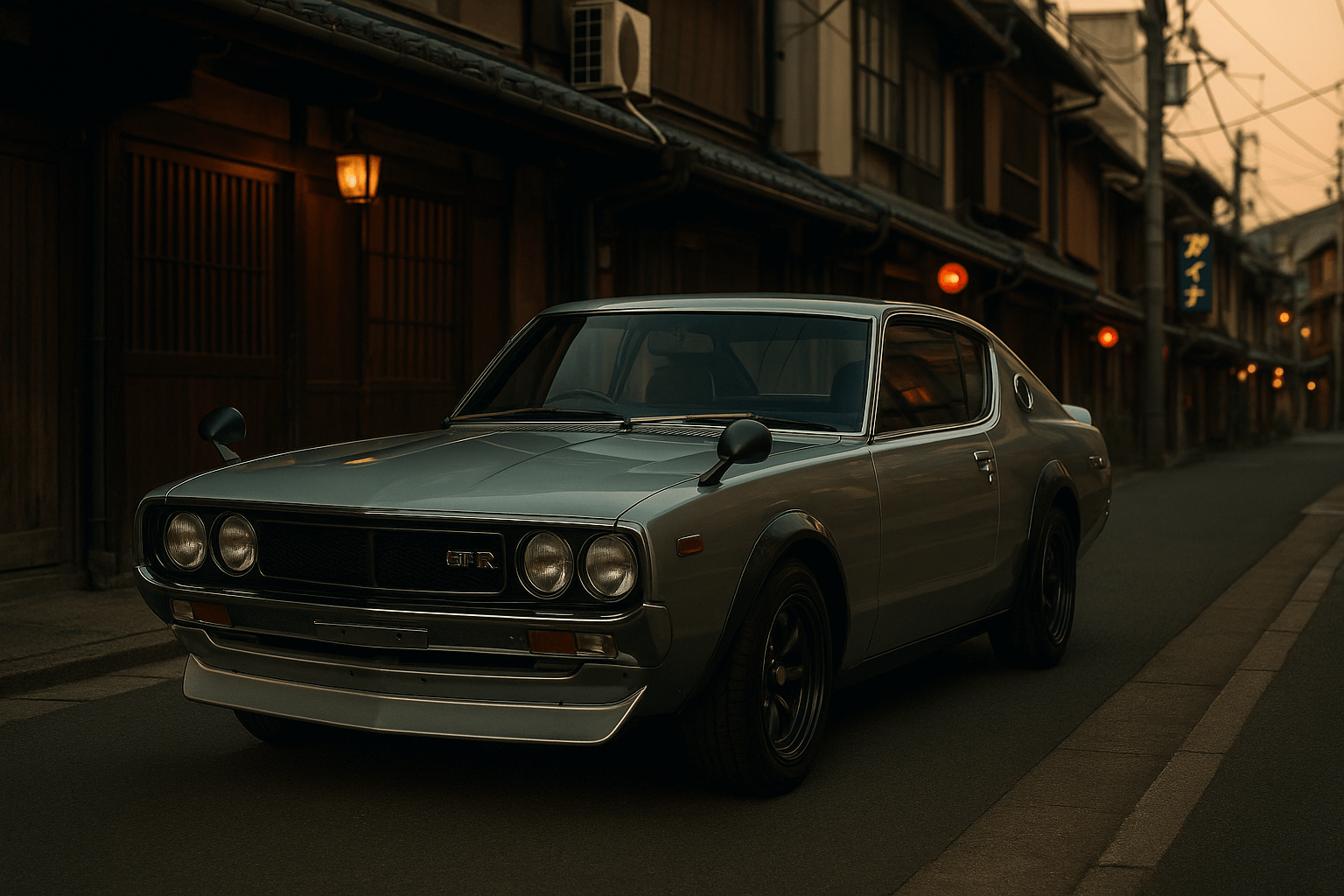
🇯🇵🚗 Japanese Classic Cars Are a Global Sensation: Here’s Why
🔰 Introduction: From Local Icons to Global Legends
In recent years, classic Japanese cars—often referred to as JDM classics—have gained massive popularity overseas. Vehicles that were once common sights on Japanese roads are now being sold for tens of thousands to even hundreds of thousands of dollars abroad.
From vintage performance machines to quirky domestic models, collectors across the United States, Europe, Australia, and beyond are falling in love with Japan’s automotive past.
But what exactly makes Japanese classic cars so desirable? Let’s explore their unique appeal and why they’re making waves around the world.
🌍 Why Is the World Obsessed with Japanese Old-School Cars?
1. Timeless Design with Japanese Character
Japanese cars from the 1970s to 1990s often featured clean, functional designs with an industrial flair. These designs are now considered retro-cool, with an authenticity that stands out from modern over-designed cars.
2. Engineering Reliability and Durability
Even decades later, many Japanese classics still run reliably. Thanks to Japan’s precise manufacturing standards, these cars offer strong build quality, making them ideal for restoration and daily driving alike.
3. The Golden Age of JDM Performance (1990s)
The 1990s saw the rise of legendary sports cars like the Nissan GT-R, Toyota Supra, Mazda RX-7, and Honda NSX. These cars blended cutting-edge performance with unique engineering, capturing the hearts of gearheads worldwide—especially after appearing in games like Gran Turismo and movies like Fast & Furious.
4. Regulatory Changes (25-Year Import Rule in the U.S.)
In the U.S., the 25-year import law allows classic vehicles to be legally imported without modification after 25 years. As a result, many iconic Japanese cars from the 1990s are now flowing into the American market and gaining cult status.
🚘 Top Japanese Classic Cars Loved Worldwide
| Car Model | Highlights | Why It’s Popular |
|---|---|---|
| Nissan Skyline GT-R (R32–R34) | Nicknamed “Godzilla,” known for AWD and tech | Auction prices soaring in the U.S. |
| Toyota Supra (A70/A80) | Legendary inline-6 engine, movie fame | Perfect for tuning and drifting |
| Mazda RX-7 (FC/FD) | Rotary engine, lightweight, agile | A tuner’s dream car with unique sound |
| Honda NSX (1st Gen) | Mid-engine layout, reliable supercar | Praised in Europe as a Ferrari rival |
| Toyota AE86 | Lightweight FR layout, anime icon (Initial D) | Iconic in global drift and street culture |
💸 More Than a Car: Value, Investment, and Legacy
- Once scrapped or overlooked in Japan, some models are now worth over $100,000 abroad
- Restored vehicles often see massive appreciation in collector markets
- Unmodified, low-mileage, or limited-production models fetch premium prices
For many, these cars are not just purchases—they’re investments and cultural artifacts.
🛠 Thinking of Owning a JDM Classic? What to Know
- Parts can be scarce and expensive, especially for discontinued models
- Find a trusted mechanic who understands vintage Japanese vehicles
- You’ll need patience and passion—old cars require love, not just fuel
But for many enthusiasts, the charm of maintaining a piece of automotive history outweighs the hassle.
✅ Summary: Japanese Classics Are More Than Nostalgia
Japanese classic cars are more than just machines—they’re living stories of engineering, culture, and passion.
✅ Unique design and craftsmanship
✅ High durability and tuning potential
✅ Deep motorsport and pop culture legacy
✅ Increasing rarity and collector value
✅ Loved across continents and cultures
From the mountain passes of Japan to the highways of California, these cars are rolling ambassadors of a golden era.
🚗 Final Thoughts: Do You Own a Global Treasure?
If you’ve got a dusty old Japanese car in your garage, don’t rush to sell or scrap it.
It might just be a highly sought-after collector’s item on the global market.
JDM isn’t just a trend—it’s a movement. A celebration of driving, engineering, and soul.
We write rarely, but only the best content.