
Why Japanese Kei Cars Are Gaining Popularity Worldwide
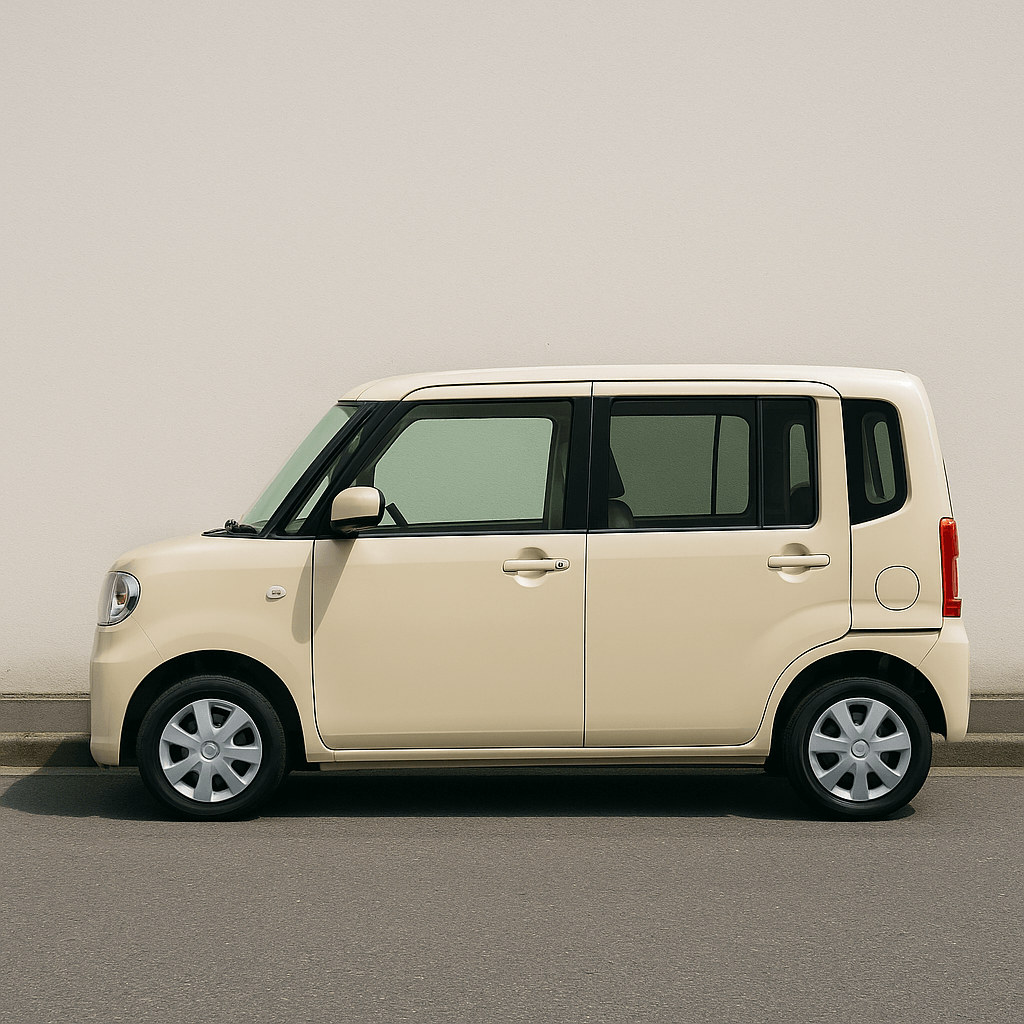
When people hear “Kei car,” they often think of tiny vehicles exclusive to Japan. But recently, these compact cars have started gaining attention across the globe.
Born from Japan’s unique transportation needs, Kei cars are now being recognized internationally as smart, efficient, and urban-friendly vehicles.
In this article, we’ll dive into what Kei cars are, why they’re becoming popular worldwide, and how they might shape the future of urban mobility.
1. What Are Kei Cars? — Japan’s Unique Vehicle Category
Kei cars (short for Keijidōsha, or light automobiles) are a category of small cars regulated by Japanese law. To qualify as a Kei car, a vehicle must meet specific criteria:
- Maximum length: 3.4 meters
- Maximum width: 1.48 meters
- Maximum height: 2.0 meters
- Engine size: 660cc or less
- Passenger capacity: Up to 4 people
Originally designed as affordable transportation for the masses after World War II, Kei cars have evolved dramatically. Today, they offer not just low cost but also high fuel efficiency, clever interior space, and surprisingly sophisticated technology.
2. Why Are Kei Cars Attracting Global Attention?
✔ Perfect for Urban Environments
In cities around the world, traffic congestion and limited parking space are major problems. Kei cars are incredibly maneuverable and easy to park, making them ideal for dense urban areas. Cities in Europe and Southeast Asia, with their narrow streets and compact neighborhoods, particularly benefit from these nimble vehicles.
✔ Outstanding Fuel Efficiency and Eco-Friendly
Thanks to Japan’s advanced engineering, most Kei cars deliver over 20 km per liter. As fuel prices rise and eco-consciousness grows, Kei cars are seen as a smart, cost-effective solution. Hybrid and electric models are also emerging, pushing the boundaries of what small cars can do.
✔ Stylish and Functional
Kei cars are no longer just basic transportation. Automakers now design them to be fashionable and highly functional. From bold exterior designs to versatile, spacious interiors, Kei cars prove that small doesn’t have to mean boring. Popular models like the Honda N-BOX or Suzuki Hustler combine personality with practicality.
3. From Japan to the World: Kei-Based Global Models
While most Kei cars are built for the Japanese domestic market, many automakers now create “Kei-inspired” versions for international markets.
- Suzuki dominates in India with compact models like the Alto and WagonR, which are based on Kei car platforms.
- Daihatsu offers models like the Ayla and Sigra in Southeast Asia, meeting local needs with Japanese know-how.
These vehicles aren’t classified as Kei cars overseas due to different regulations, but they retain the same strengths: small size, high efficiency, and great value.
4. The Future: Electric Kei Cars Are On the Rise
With global shifts toward sustainable transportation, Kei cars are now entering the electric vehicle (EV) space. Models like the Nissan Sakura and Mitsubishi eK X EV represent the next generation of urban mobility.
Electric Kei cars are perfect for short city commutes and everyday errands. As charging infrastructure expands, these compact EVs could become the go-to choice for eco-friendly driving in crowded cities around the world.
5. Why Kei Cars Make Sense Globally
Kei cars were once thought of as a Japan-only solution, but their benefits now align perfectly with global urban trends:
- ✅ Easy to drive and park
- ✅ Budget-friendly to buy and maintain
- ✅ Environmentally responsible
- ✅ Clever design with surprising comfort
In a world where “smaller, smarter, greener” is becoming the new normal, Kei cars offer a compelling alternative to traditional vehicles. They’re more than just small cars — they’re intelligent solutions for modern living.
Conclusion
Kei cars are a symbol of Japanese ingenuity: compact, efficient, and full of thoughtful design. What began as a domestic innovation is now gaining recognition on the world stage.
As cities grow, resources tighten, and environmental concerns increase, Kei cars may very well lead the charge toward a new era of mobility — one that values quality over size and sustainability over speed.
Whether you live in Tokyo, Berlin, Jakarta, or Los Angeles, don’t be surprised if you start seeing more of these little Japanese wonders around your neighborhood.
We write rarely, but only the best content.