
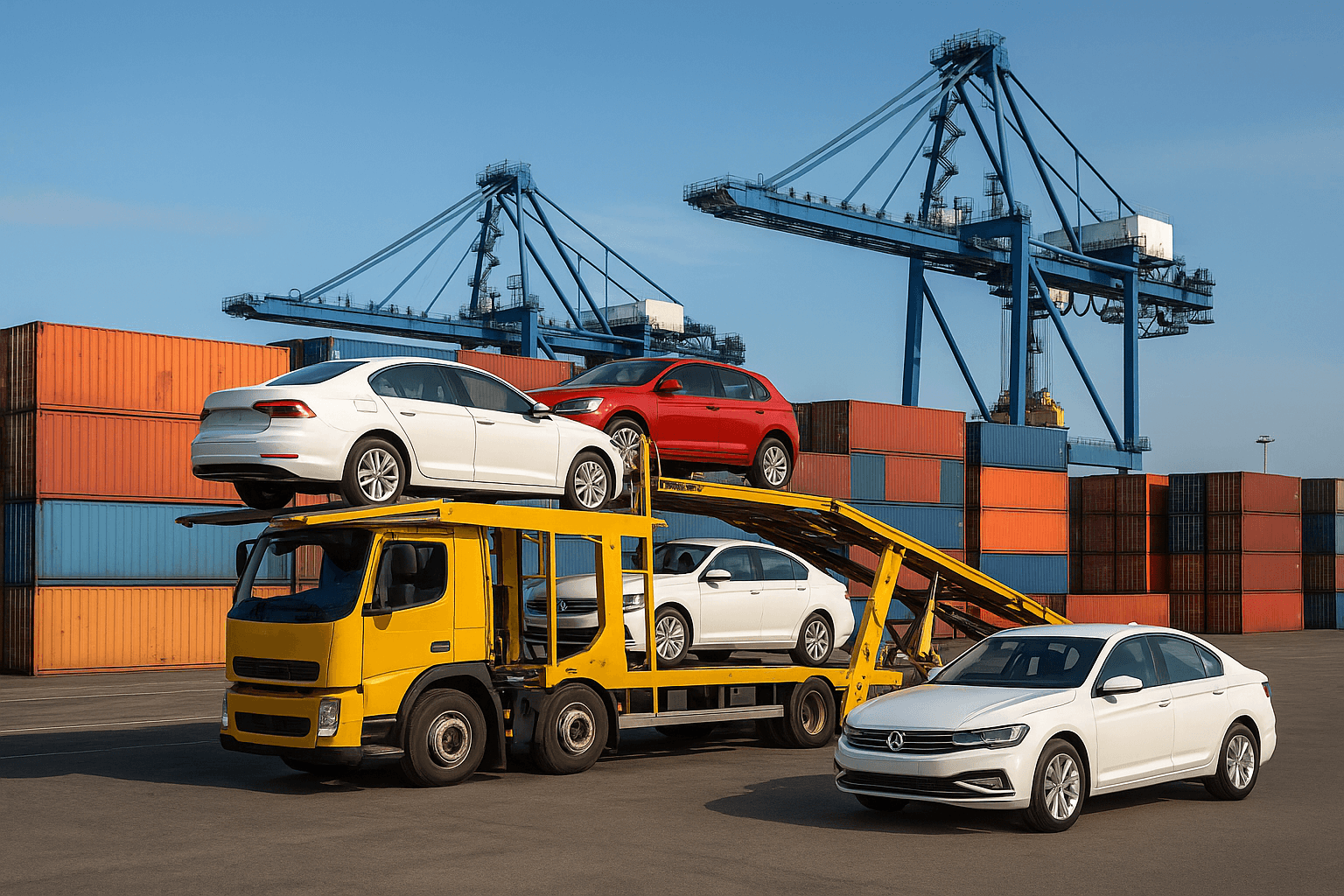
🌍 7 Essential Things to Know Before Buying an Imported Car – A Global Buyer’s Guide
Buying an imported car is a dream for many car enthusiasts. From German engineering to American muscle, from sleek Italian supercars to cutting-edge Korean EVs, the global automotive market offers an exciting range of options.
But importing a car into your country isn’t just about choosing a brand or model — it’s about understanding international trade, regulations, logistics, taxes, and compatibility. Whether you’re an expat, a collector, or just someone who wants something unique on the road, there are critical factors to consider before making that purchase.
In this article, we’ll break down the 7 most important things to be aware of when buying an imported car, no matter where you live.
💰 1. Import Duties and Taxes Vary Wildly by Country
One of the biggest hidden costs when importing a car is taxation.
- Some countries (like India or Thailand) impose import duties exceeding 100% of the car’s value.
- Others (such as Norway or Singapore) offer tax incentives for EVs.
- In the European Union, vehicles imported between member states generally enjoy tariff-free trade.
You also need to account for environmental taxes, registration taxes, CO₂ surcharges, and more, depending on the vehicle’s specs.
👉 Always check your country’s tax system and calculate the true landed cost — not just the vehicle price.
🔄 2. Currency Exchange Rates Can Help or Hurt You
Most imported vehicles are priced in major currencies like USD, EUR, or GBP.
- If your local currency weakens, the car becomes more expensive.
- A strong currency can give you a price advantage, but fluctuations are unpredictable.
- Resale value can also shift dramatically depending on the exchange rate and regional demand.
👉 Keep an eye on exchange rate trends and consider timing your purchase strategically.
🛣️ 3. Steering Position and Road Rules Matter More Than You Think
In many countries, whether a vehicle is left-hand drive (LHD) or right-hand drive (RHD) is a legal and practical issue.
- The UK, Australia, Japan = RHD countries.
- The US, Germany, France = LHD countries.
Importing a vehicle with the opposite steering configuration can lead to:
- Legal registration challenges.
- Daily driving safety issues.
- Complications with road tolls and parking systems.
👉 Make sure your car’s steering matches your country’s road system and legal standards.
🛢️ 4. Fuel Quality and Type Compatibility
Different regions have different fuel standards and availability.
- Many European cars require high-octane premium fuel, which may not be available everywhere.
- Some regions have lower fuel quality, which can damage high-performance engines.
- EVs are also impacted by charging connector types (e.g., CCS, CHAdeMO, Tesla Superchargers).
👉 Always check whether your country’s fuel or charging infrastructure is compatible with the car you’re importing.
🧰 5. Service and Maintenance Support Can Be Limited
Imported vehicles often come with unique maintenance needs, but not every country offers the same level of support.
- Official imports usually include warranties, service networks, and easier access to parts.
- Grey market imports may be denied service at official dealerships.
- In some countries, parts availability can lead to weeks or months of downtime.
👉 Confirm whether your country has qualified service providers for the make and model you’re importing.
📜 6. Safety and Emission Standards Are Not Universal
Different countries follow different technical regulations for road vehicles.
- The U.S. FMVSS, EU ECE, and Japan’s JIS all have distinct safety, lighting, and emission requirements.
- Some cars may require modifications or certifications to be legally registered.
- Emissions rules (e.g., Euro 6, EPA standards) can also block registration in certain regions.
👉 Before purchasing, ensure the car complies with your country’s import and roadworthiness laws.
🛡️ 7. Insurance Can Be Expensive or Limited
Imported cars are often considered high-risk or luxury vehicles, affecting your insurance options.
- Some insurers will not cover grey imports or non-standard configurations.
- Vehicle valuation can be tricky, and payouts may not match the true cost in the event of a loss.
- High-performance or rare vehicles often require specialized insurance providers.
👉 Always get an insurance quote before committing to a purchase.
✅ Final Thoughts: Buying an Imported Car is a Global Strategy
Purchasing an imported vehicle is more than just a car choice — it’s a cross-border investment involving regulations, logistics, and cultural knowledge.
When done right, owning an imported car is incredibly rewarding. But to avoid frustration, do your homework, consult local experts, and always factor in the bigger picture.
We write rarely, but only the best content.